
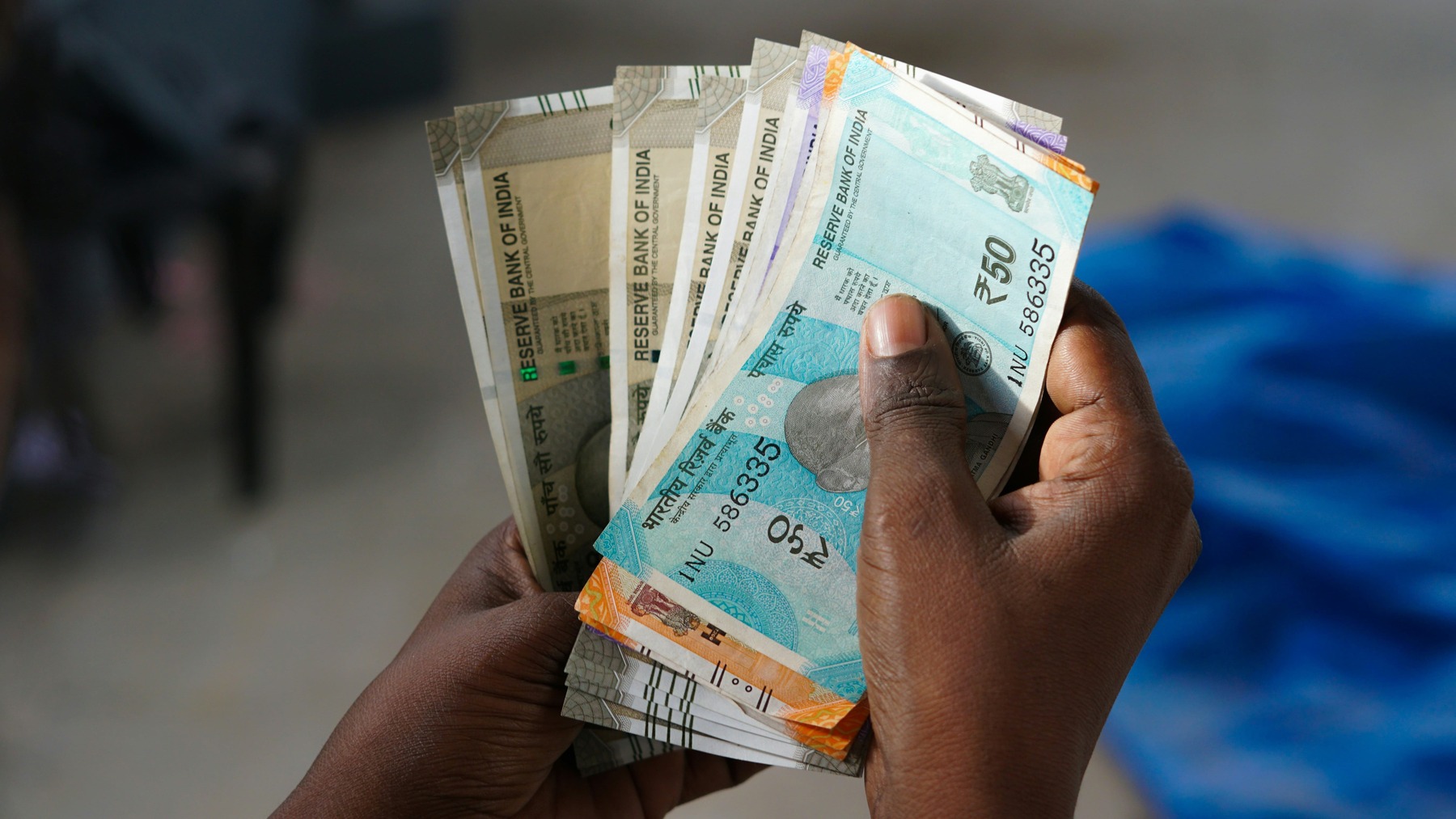
Many people earn money every month but still struggle at the end of the month. The problem is not always low income. It is poor spending habits. Finding the best way to track your money and spending it wisely does not mean living a boring life. It simply means using money in the right place so you stay stress-free today and safe in the future.
Why We Must Spend Money Wisely
If we do not control spending, small expenses slowly become big financial problems.
Unexpected situations like illness, job loss, repairs, or emergencies can come anytime. When savings are not available, people fall into debt.
Benefits of spending money wisely
- Avoid financial stress
- Prepare for emergencies
- Increase savings
- Maintain financial stability
Below are some practical ways to spend money wisely.
1. Track Income and Expenses
Best way to track income and expenses is to Start by identifying all sources of income and every single expense regularly. Make a proper list and plan a budget before purchasing anything. Do not buy things without thinking whether it is a Need or a Want. Planning before spending prevents unnecessary purchases.
2. Stick to Budget
Making a budget is easy, following it every month is the real challenge. Most people fail because of small excuses like “only ₹1000” or “just this time”. These small spends slowly destroy savings. Sticking to a budget is the best way to reduce monthly expenses and unnecessary spending
- Set Limits: Set monthly spending limits for expenses like groceries, bills, fuel, and eating out.
- Stay Disciplined: If your monthly allowance finishes early, stop spending. Do not dip into your savings unless it is a genuine emergency.
- Adjust: If an unexpected expense arises, reduce your optional spending elsewhere to stay balanced.
3. Plan Future Expenses in Advance
When you remember future expenses early, you make better decisions today and control current spending. This helps you avoid borrowing later. Identifying future expenses helps you spend money wisely.
A. Monthly Expenses
- Groceries/Ration and Electricity bills.
- Mobile recharges and Gas cylinders.
- Children’s school fees and study materials.
B. Quarterly or Seasonal Expenses
Identify expenses that don’t happen every month but are guaranteed to come. This includes home repairs, bulk grocery shopping, and festival season spending. Saving a small amount in advance for these prevents a financial shock when the time comes.
C. Emergency Expenses
The future is unpredictable. No one plans to fall sick or face an accident, but it can happen anytime. To handle such situations, we should keep backup money, which helps avoid sudden financial burden.
- Medical Fund: Keep a dedicated fund for some unexpected like hospitalizations and medicine, especially if you have elderly family members.
- Job/Business Security: Since jobs and businesses can be unstable, it is advisable to have a backup fund covering 2–3 months of living expenses. This provides peace of mind during layoffs or slow business periods.
4. Choose Quality over Quantity
Before buying, ask: “Is this worth the price?” Always prefer product quality over fancy designs or large quantities. Low-quality products may be cheaper today, but they don’t last. Replacing them constantly makes them more expensive in the long run (“Sasta roye baar baar, mehnga roye ek baar”).
5. Set Purchase Priorities
To manage your money effectively, you must set clear priorities. Buy essential items first. Only purchase non-essential items if you haven’t reached your monthly budget threshold.
6. Take advantage of Smart Discount Tricks & Online Benefits
We can significantly reduce small expenses by using Smart Discount Tricks & Online Benefits.
- Cashback & Online Bills: Use genuine platforms to pay bills online and take advantage of cashback offers.
- Wait for Sales: In India, e-commerce sites like Amazon and Flipkart and other platforms have major sales (like Big Billion Days) during festivals. If you are planning to buy electronics like a TV, fridge, or mobile, wait for these offers to save a significant amount.
7. Avoid Modern Spending Traps
- The “No-Cost” EMI Trap: These are rarely “free.” They often include hidden processing fees or encourage you to buy things you can’t actually afford. Avoid using credit for non-emergencies.
- Subscription Overload: Small monthly payments for apps, streaming services, and gyms can drain your bank account silently. Cancel what you don’t use.
- Social Media Influence: Don’t buy things based on attractive marketing ads from influencers.
- Supermarket Traps: Avoid buying items just because they are placed attractively at eye level or near the billing counter.
Also Read: Why Most Indians Can’t Save Money Even After Earning Well
8. Lifestyle Adjustments for Better Savings
- Vehicle Usage: Use your bike or car wisely. Opt for public transport or carpooling where possible to save on fuel and maintenance.
- Office Lunch: Many employees overspend on daily office lunches. Bringing a home-cooked meal is healthier and significantly cheaper.
- The Power of Cash: When there is no specific online discount, try paying in cash. Physically handing over paper money helps you “feel” the spend, making you more cautious.
- Debt First: Always prioritize paying off existing debts before making new, non-emergency purchases.
- Family Involvement: Educate your family members and spouse about the budget. Financial management is a team sport!
Spending wisely is not about earning less enjoyment — it is about gaining financial control.
Small habits like planning, budgeting, and tracking create long-term stability.
Money saved today protects your future tomorrow.
1 thought on “How to Spend Money Wisely”
Comments are closed.