
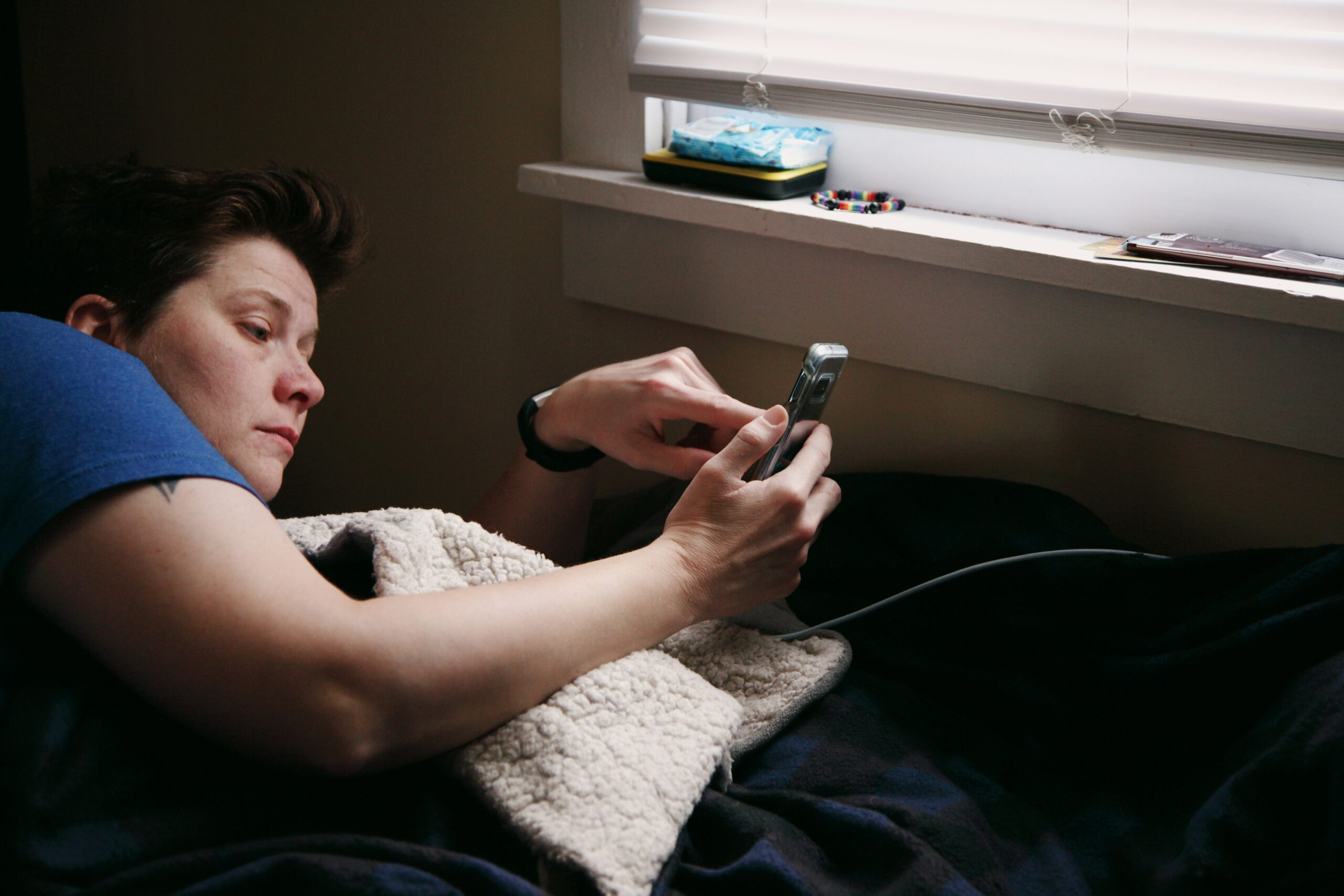
Did you know that late-night scrolling can slowly damage your brain, energy levels, hormones and even your hair health? Many people think watching reels or using social media late at night is fun, but regularly sleeping late can seriously affect both your mental and physical health over time.
Below are some of the major negative impacts of late-night scrolling and poor sleep that many people are not aware of.
1. Hormonal Damage (Hair & Stress Problem)
Spikes Cortisol
When you skip sleep or sleeping late at night, your body enters a stress state and releases high amounts of cortisol (the stress hormone). High cortisol levels can force hair follicles into the shedding phase, leading to increased hair fall and weaker hair growth.
Disturbs the Natural Body Clock (Circadian Rhythm)
Late-night scrolling and sleeping late disturb the body’s natural circadian rhythm, confusing the brain’s internal clock. This reduces sleep quality and delays melatonin production (the sleep hormone).
Many times, we use social media at night while lying in bed and suddenly realize it is 2:30 AM without noticing how the time passed. This happens because late-night scrolling confuses our brain’s internal clock and keeps the mind active instead of sleepy.
Lowers SHBG
Lack of sleep may reduce levels of SHBG (Sex Hormone-Binding Globulin), a protein that helps regulate hormones in the body. Lower SHBG levels can increase free androgen activity, including DHT, which is commonly linked to hair thinning and hair loss in genetically sensitive individuals.
2. Brain and Mental Damage
Brain Fatigue
Sleep is the time when your brain repairs and resets itself. Constant lack of sleep can cause brain fog, poor memory, slower thinking, lack of focus, and reduced concentration.

Suppose You open an application to do something important, but suddenly forget why you opened it. Many people experience these kinds of issues because their brain becomes mentally exhausted from poor sleep.
Many people struggle with these issues every day without realizing that late-night scrolling and poor sleep may be the real reason behind them.
Anxiety and Mood Swings
Lack of sleep keeps the nervous system overstimulated and prevents the mind from fully relaxing. This can increase stress, anxiety, mental exhaustion, mood swings, and may even raise the risk of depression over time.
Some examples you may relate to:
- Many times, you may feel that even small things start irritating you.
- You begin taking more stress about simple situations compared to other people like family talks, office work.
- Your patience becomes lower because your brain did not properly recover overnight.
- Sometimes you may feel confident and motivated in the evening, but emotionally weak, stressed, or anxious the next morning without any major reason. Poor sleep and late-night scrolling can negatively affect your emotional balance and confidence.
Daytime Fatigue
Poor sleep directly causes mental and physical fatigue during the day, making it harder to stay productive, focused, and energetic.

Common Physical Effects
- Low energy and constant tiredness
- Headaches and eye strain
- Weak immune system
- Reduced physical recovery
Testosterone & Fitness
- Lower testosterone levels in men
- Reduced muscle recovery and gym performance
- Lower stamina, motivation, and physical energy
Heart & Long-Term Health
- Increased risk of high blood pressure
- Higher risk of obesity, diabetes, and heart disease if poor sleep continues for years.
Late-night scrolling may feel harmless, but over time it can slowly affect your brain, sleep quality, hormones, energy levels, emotional balance, and even hair health. Improving your sleep schedule and reducing screen time before bed can make a major difference in both your mental and physical health.
Stay Connected: For more helpful and informative blogs like this, follow our Instagram page SmartBlogs.in and stay updated.